

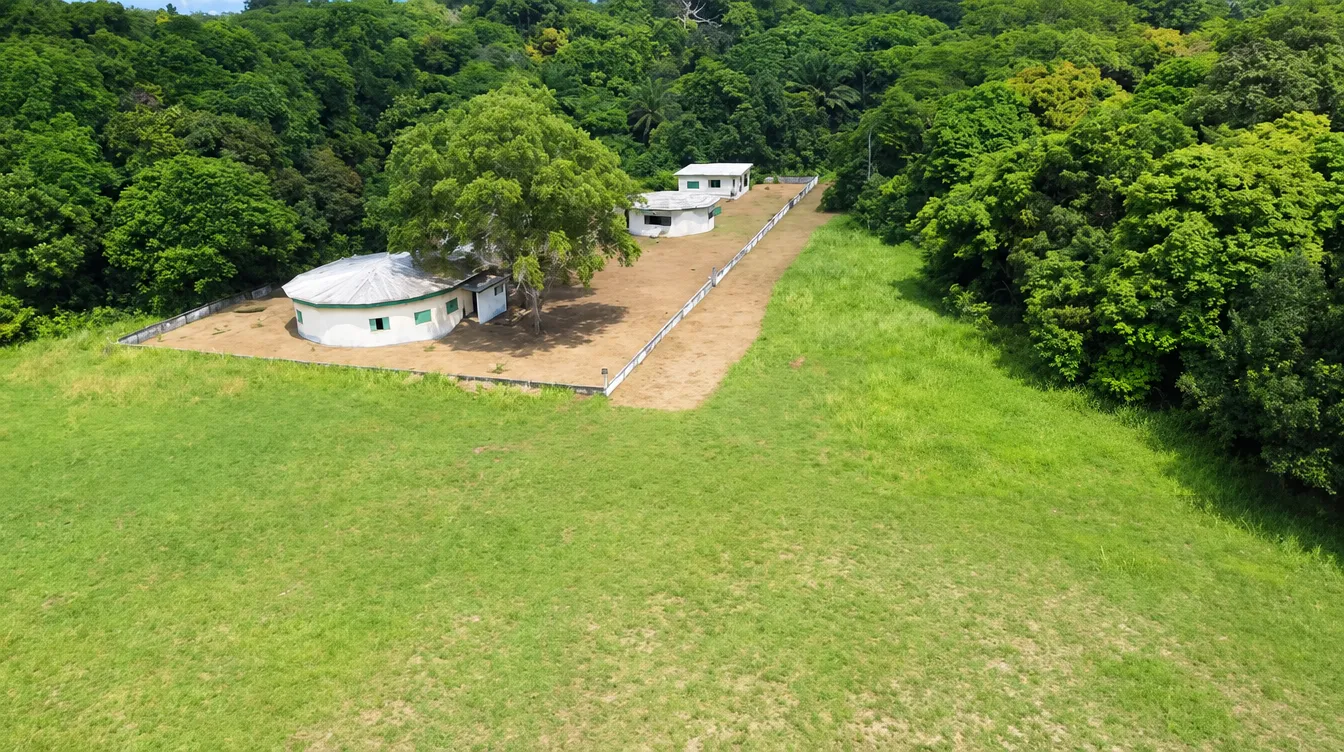
Fifteen minutes by dugout from Libreville is all it takes to change worlds. On the left bank of the estuary, where the city fades away, begins Pongara National Park: 870 km² of mangroves, forests and savannahs created in 2002, one of the thirteen national parks with which Gabon has covered its territory. The peninsula of Pointe-Denis, land of the House of Rapontchombo, is its gateway: here the Royal Domain does not merely neighbour the wild, it lives at its heart.
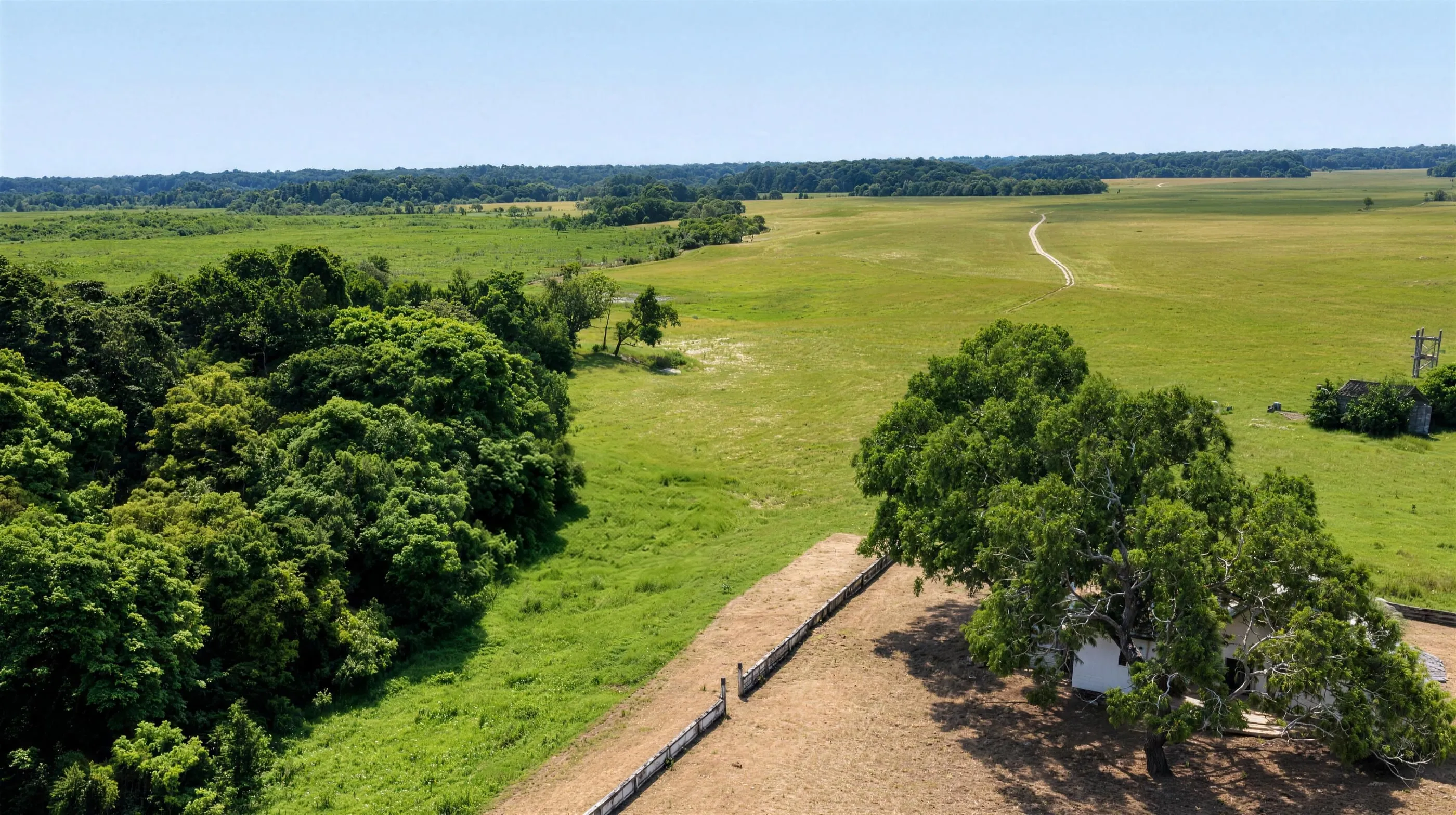
A mosaic of habitats
Pongara owes its richness to its variety. Between the left bank of the Komo estuary and the Gulf of Guinea follow one another mangroves on stilt roots, swamp and flooded forests, coastal forest, grassy savannahs cut by rivers and long sandy beaches open to the ocean. Since 2007, the park’s wetlands have been recognised as a Ramsar site of international importance: the mangroves of the estuary rank among the most precious marine nurseries of Africa’s Atlantic coast.
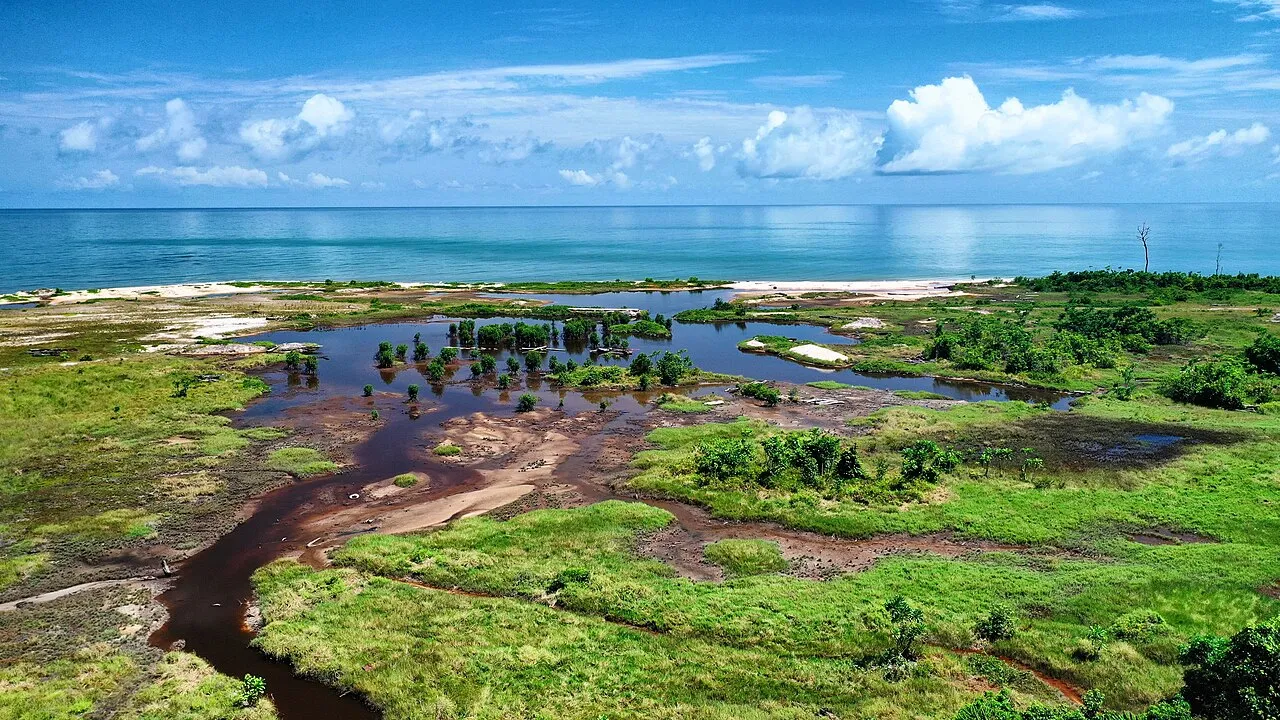
The forest elephants
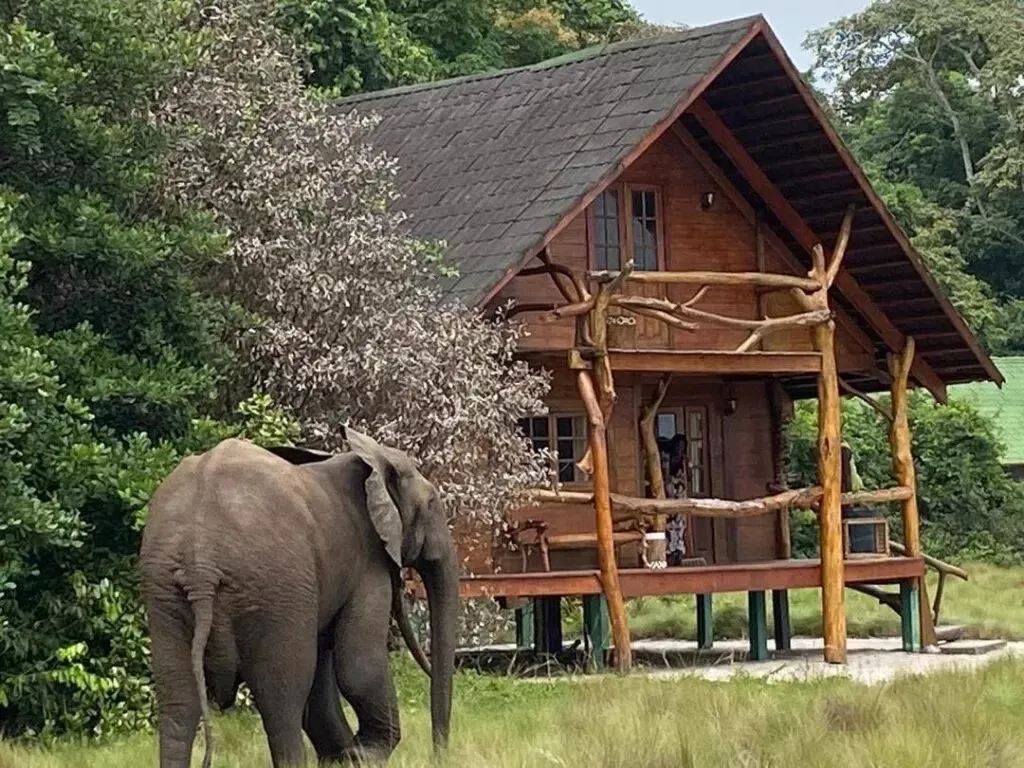
The lord of the place is discreet: the forest elephant, smaller and more secretive than its savannah cousin, moves between the coastal forest and the park’s clearings. At Pointe-Denis, it does not keep to the forest edge: the elephants come right up to the thresholds of the huts, cross the Domain’s savannah in the early morning and leave their footprints on the sandy tracks. Guests of the House encounter them during the forest excursion with the Mpongwe guides, at a respectful distance: one does not visit Pongara, one is received there.
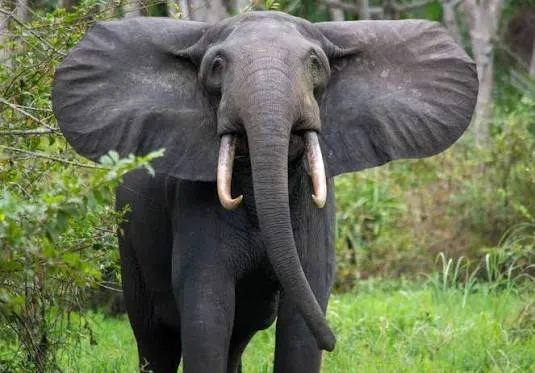
The leatherback turtles
Every year, from November to March, the beaches of Pongara host one of the oldest spectacles in the world: the nesting of the leatherback turtles, the largest sea turtles on the planet, up to two metres long and more than five hundred kilos. Gabon’s shores rank among the very first nesting sites of the species in the world, and the beaches of the peninsula are one of its strongholds: in the night, a few steps from the huts, the giants come ashore to dig their nests in the sand that Mpongwe tradition holds sacred.
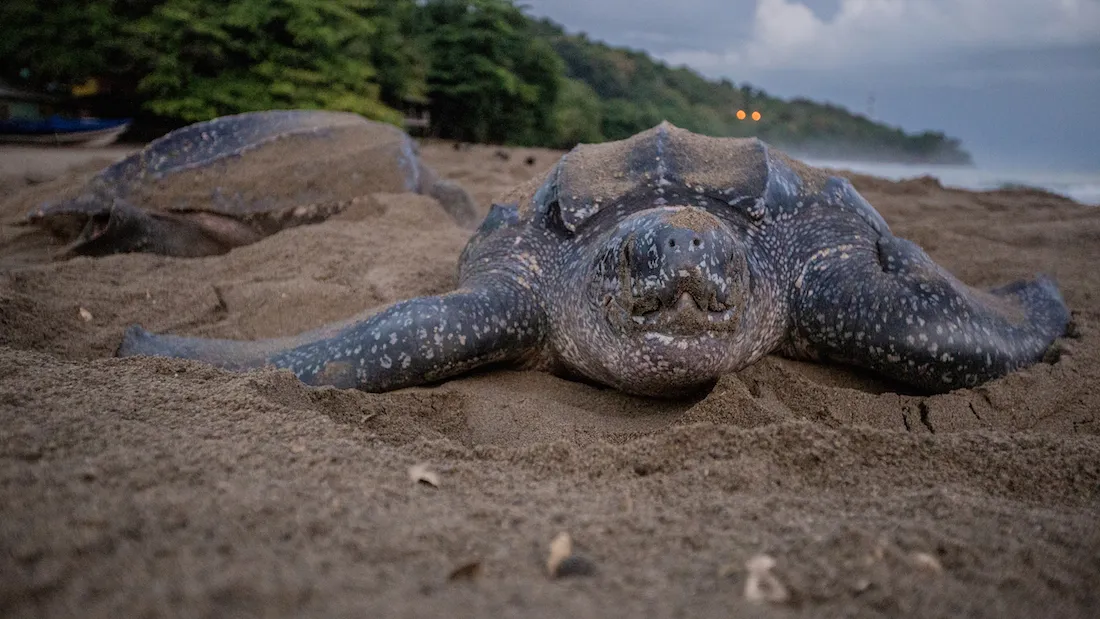
The humpback whales
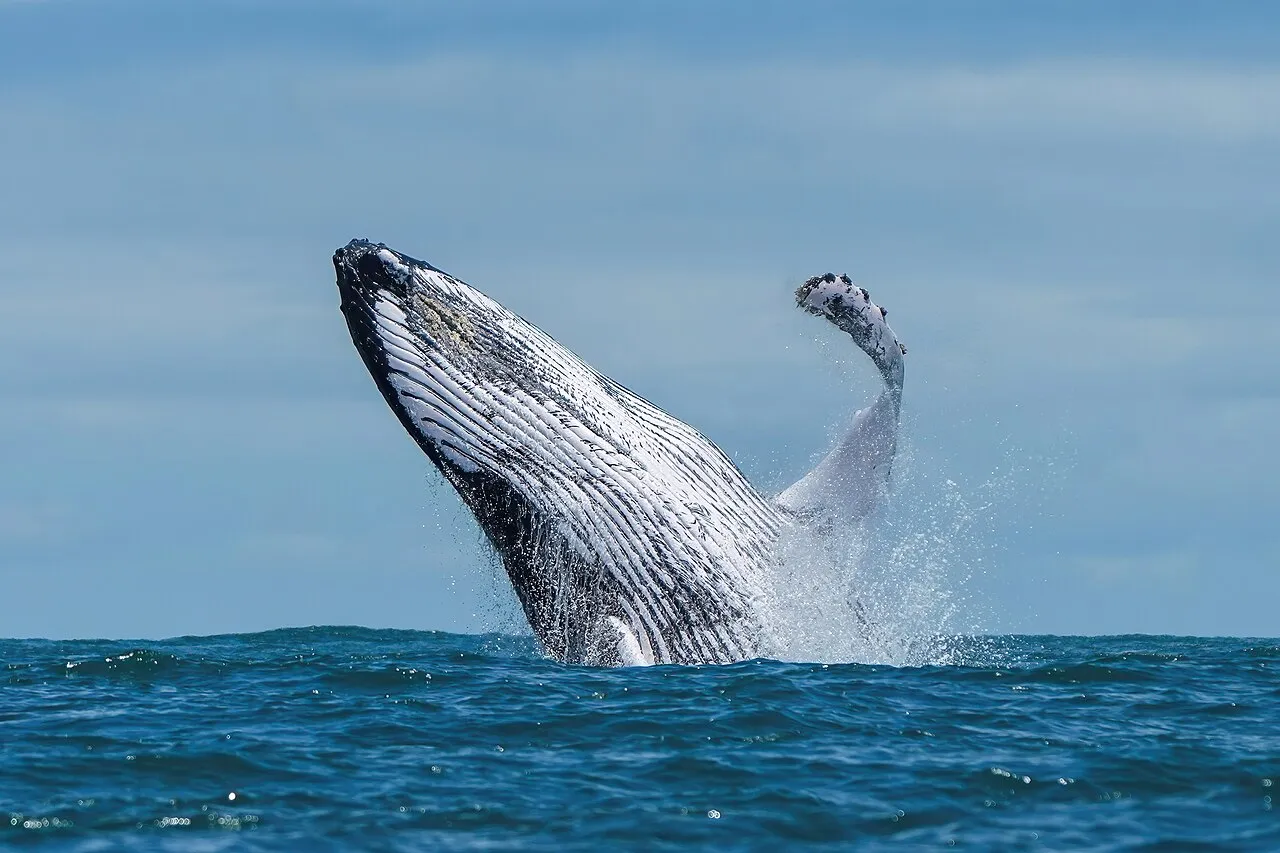
From July to September, it is the humpback whales that pass offshore: having come up from the Antarctic to calve in the warm waters of the Gulf of Guinea, they blow and breach before the beaches of Pointe-Denis. From the dugout, between the harbour and the Domain, it is not rare to see their spouts rise on the horizon: the sea that carries the House’s guests is theirs too.
The great bestiary of Pongara
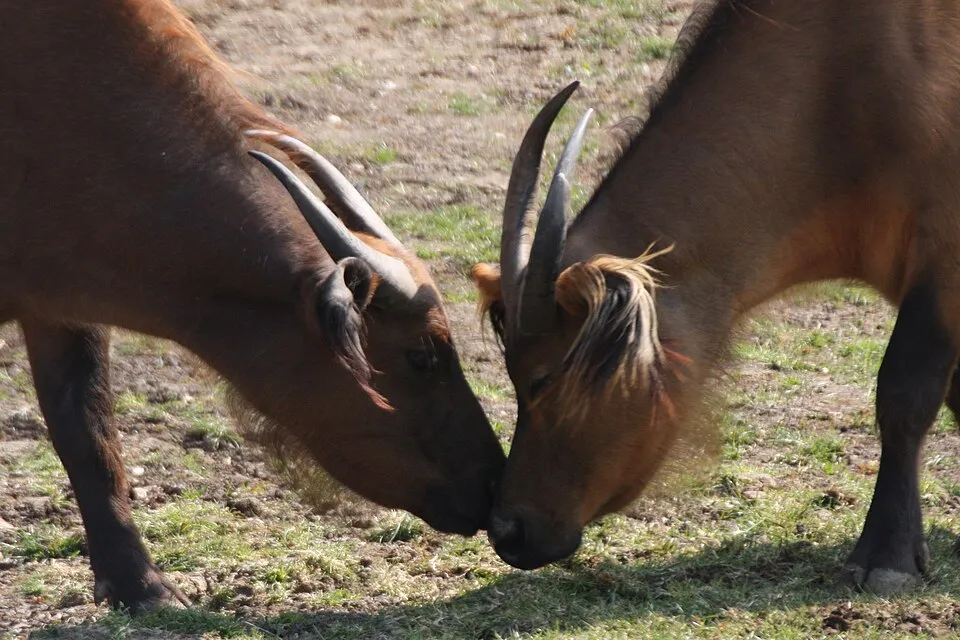
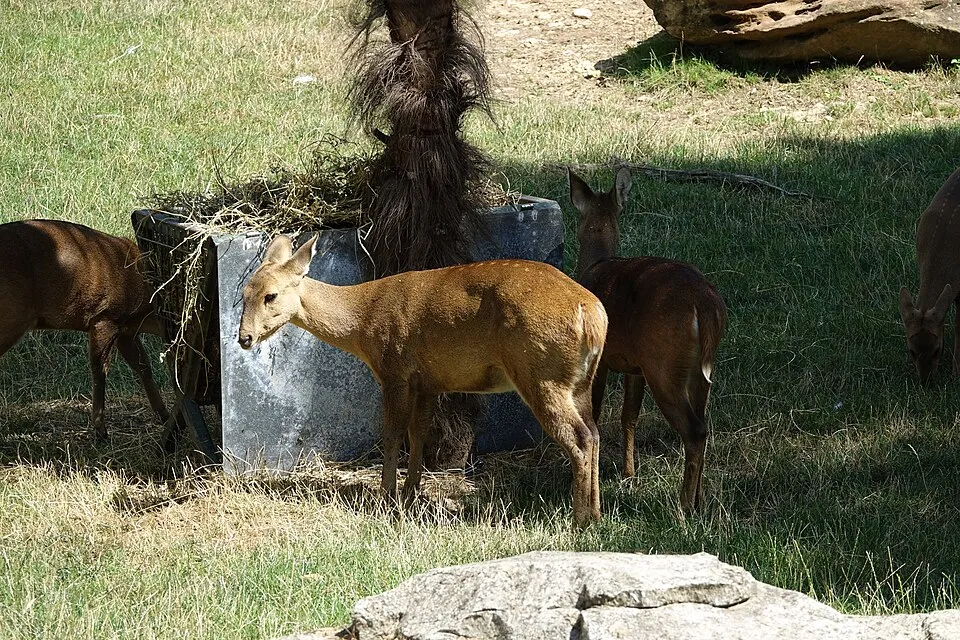
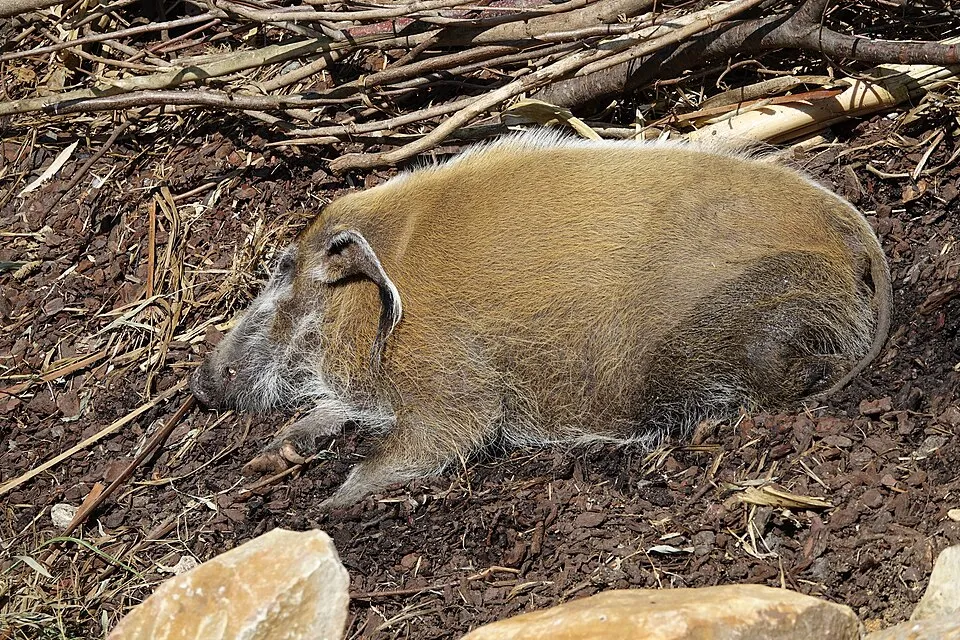
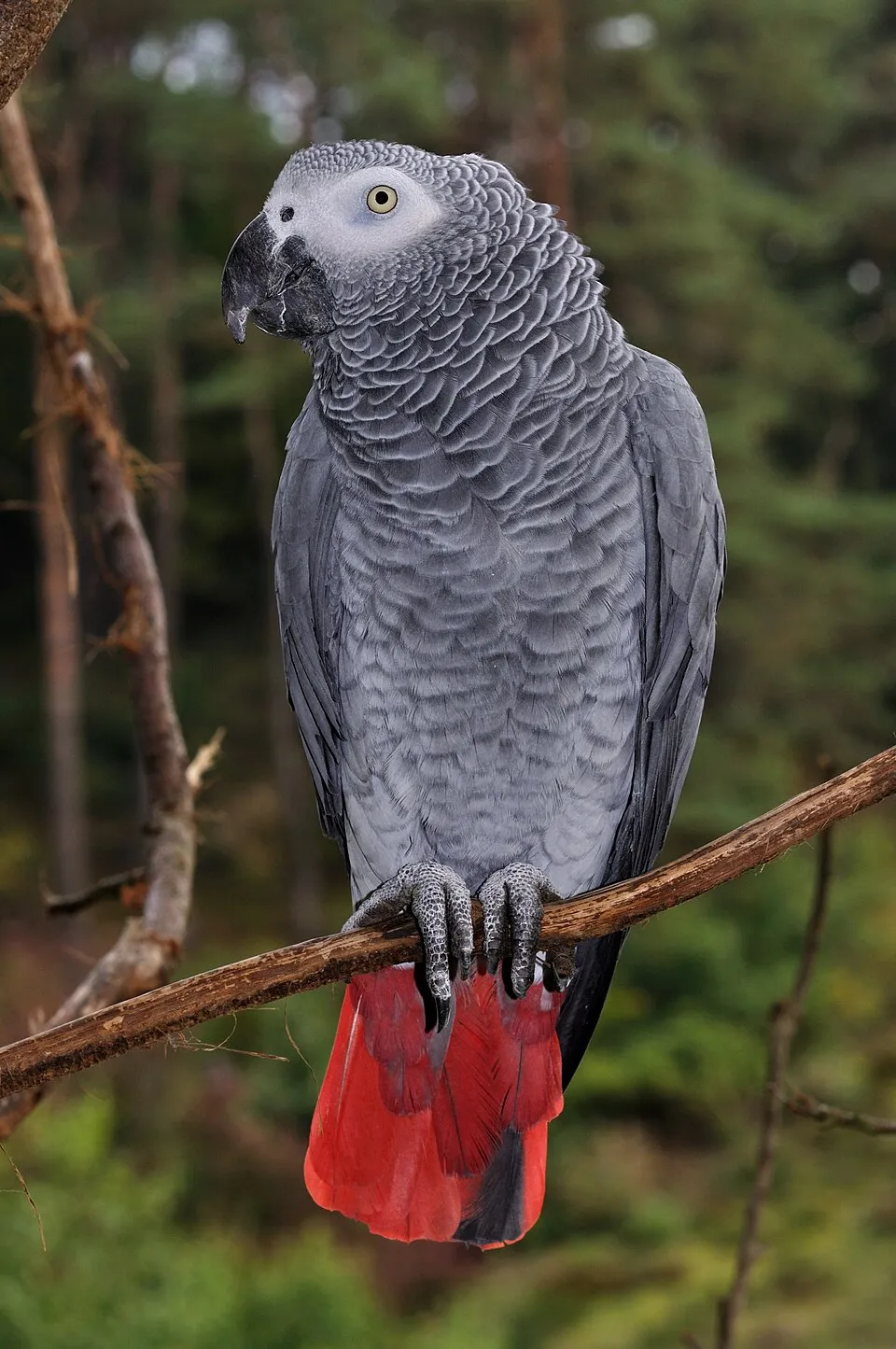
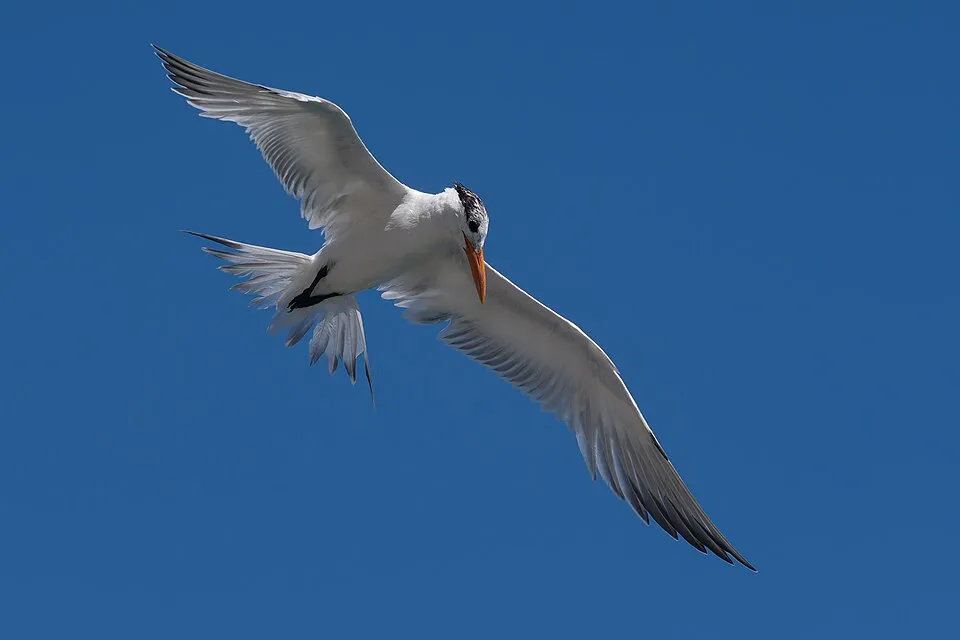
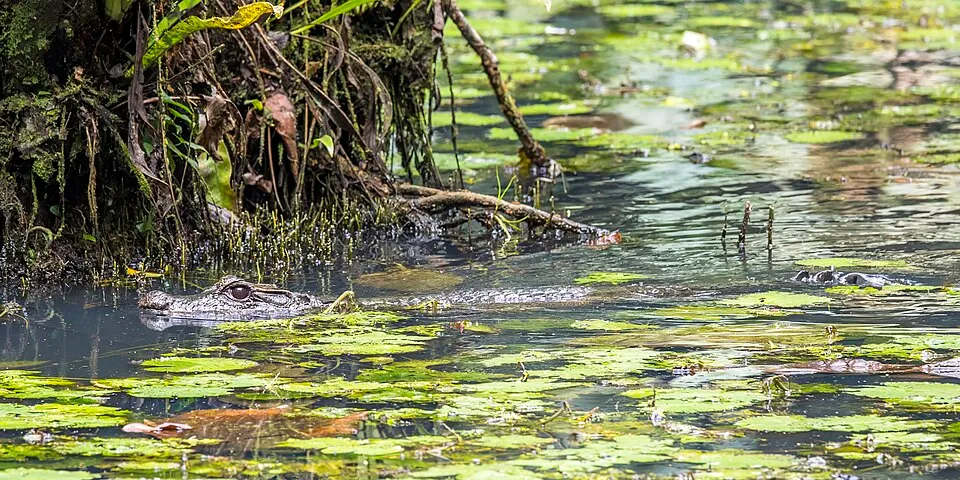
Around these giants, a whole discreet population inhabits the park: the forest buffalo and the red river hog in the clearings, the sitatunga in the swamps, the grey parrot in the canopy, the royal tern on the sandbanks, the dwarf crocodile in the black rivers. Here they are, as the Domain’s guests may come across them.
The sea that closes, the spirits that are honoured
This nature is not a backdrop: it is part of the rite. Every year, the Mpongwe chieftaincy suspends activities at sea for the traditional ceremonies of Pointe-Denis, “in the name of the throne of King Denis Rapontchombo”, and the Mpago rite protects the coastline: in 2026 once again, AFP told its story. During the initiatory journey, the excursion into the mangrove is accompanied by offerings to the water spirits, and the walk in the forest by those laid on the royal burial ground. Among the Mpongwe, wildlife is not separate from the world of men: the sea, the land and the ancestors hold together.
Experience Pongara with the House
Sources
- On the park (created in 2002, 870 km², habitats, Ramsar site since 2007): « Parc national de Pongara », Wikipédia; Agence Nationale des Parcs Nationaux du Gabon.
- On the Mpago rite and the closing of the sea: Africanews/AFP, 16 April 2026; Gabon Review, 5 April 2026.
- On leatherback nesting on the Gabonese coast and the passage of humpback whales in the Gulf of Guinea: monitoring programmes of the ANPN and partner NGOs (Aventures Sans Frontières, Ibonga).
- Aerial photographs of the Domain: House of Rapontchombo. Leatherback turtles: Jordan Beard; humpback whale: Giles Laurent; Nyonié mangrove: Christian Vigna · CC BY-SA 4.0, Wikimedia Commons.