

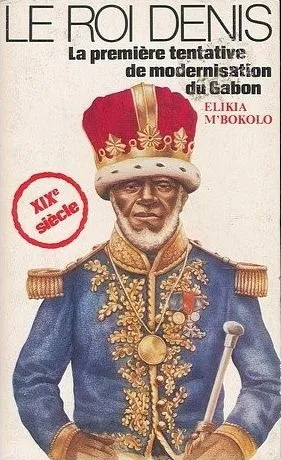
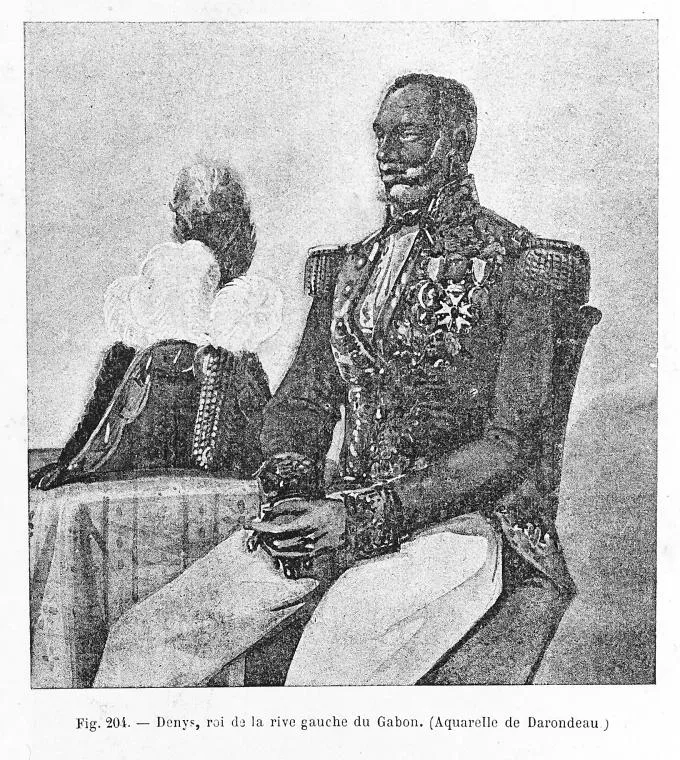
Among the books the family keeps is a volume of the series “Les Africains”, published in 1977 by Éditions Jeune Afrique. In it the Congolese historian Elikia M'Bokolo signs a twenty-three-page chapter, « Le roi Denis, grandeur et déclin d'un souverain gabonais » (King Denis, rise and decline of a Gabonese sovereign). It is one of the fullest portraits of King Denis I, whom the author calls Antshwe Kowe Rapontshombo: it draws on Abbé Raponda-Walker, on the accounts of nineteenth-century missionaries and officers, and on his own research. We follow its thread here, with the clarifications the family provides.
- c. 1780Birth of Antchouwé Kowé, son of Ré-Mboko
- c. 1810He becomes oga of the Assiga clan
- 1839Convention with France, honours from London and Paris
- 1840The Prince de Joinville receives him on board
- 1843France settles on the right bank
- 1856Du Chaillu visits the Mbata plantations
- 1876Death of the king; Félix-Adandé succeeds him
A name that became a legend
M'Bokolo opens with a paradox. The chief has gone down in history under the almost legendary title of “King Denis of Gabon”, yet in his day he was neither the only chief of the estuary nor the most powerful: other aga shared power with him, and the Orungu chief Ogul'Isoge, known as Passol (from the English pass all), left a more fearsome name. His reputation is nonetheless deserved: it rests on the decisive part he played in France's settlement in Gabon. But the author refuses to reduce his reign to that relationship alone. He sees in him a representative of a Black aristocracy born on the Atlantic coast from trade with Europe and the Americas, which in the nineteenth century faced a double challenge: economic, with the abolition of the slave trade, and political, with France's growing interest in the region.
Born around 1780, oga around 1810, the king died almost a centenarian in 1876, after a reign of more than sixty-five years. To Europeans who asked his age, he would answer:
“When King Louis XVI of France was on the throne, I could already handle a paddle and steer a boat by myself on the estuary.”
A slow rise: the Assiga and the name Rapontchombo
Denis is the fifth historically known chief of the Assiga clan. The genealogy goes back to the late seventeenth century and the reign of Rombonwa, the first chief whose name has survived. M'Bokolo links that reign to the upheavals of the time: the Ndiwa, the first Mpongwe clan on the coast, scattered after a clash with the Dutch, and the other clans divided the region between them. The Assiga then settled over much of the left bank of the estuary.
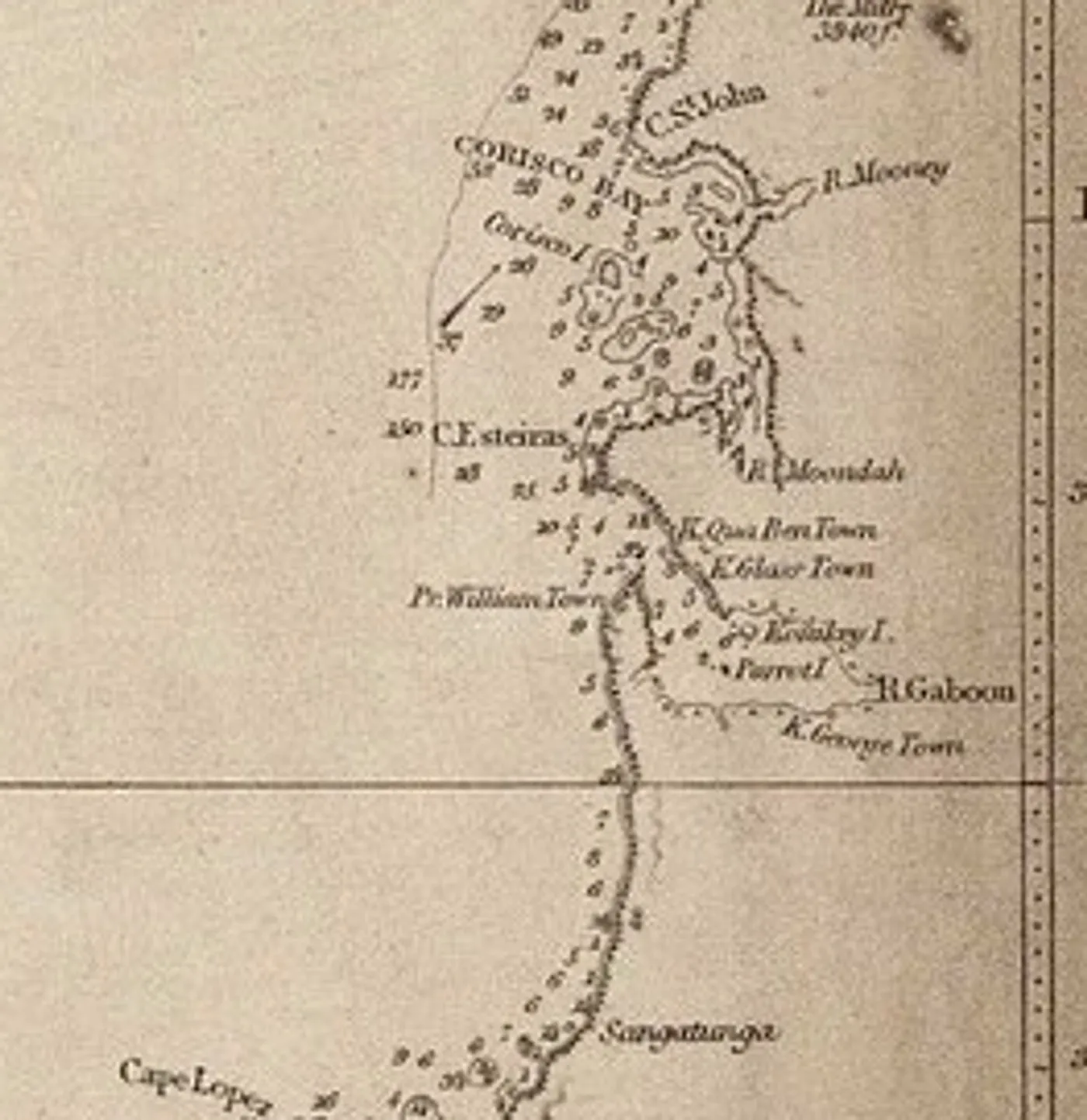
Around 1780, four great clans held the shores: the Assiga and the Agulamba on the left bank, the Adoni on the island of Dambé (Coniquet), and on the right bank the two branches of the Agekaza, that of Quaben and that of Glass. Into this world the child was born. To his name, Antchouwé Kowé, his father Ré-Mboko added a byname:
“What you gave me was not lent to me, but given for good.”
The name recalls a gift: on his death, the chief of the Agempo, a small clan settled at Mina on Assiga land, had disinherited his own son and entrusted the eka, the royal throne, to Ré-Mboko. The family name thus carries the will to keep what was handed down; family tradition puts it in one phrase, “power is not lent”. M'Bokolo also recalls that the aga had to be awo-ntché, “children of the land”, born of a Mpongwe father and mother, and that royal lineages exchanged wives: Denis's mother, Ozugayilé, came from the royal lineage of the Adoni clan.
Formative years
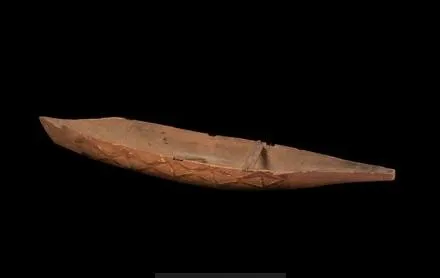
Little is known of the future king's youth. He is said to have served on a Spanish sailing ship and learned Spanish, Portuguese and English from the merchants. As for his ease in French, he explained it himself in 1838 to the naval officer Péronne: São Tomé had always traded with French ships, and one of his brothers had spent the whole Revolution in France, served in the French armies and, on his return, almost forgotten his own language. M'Bokolo thinks it possible that a brother of Denis was one of Napoleon's veterans.
Trade and wealth
Once oga, Denis devoted himself almost entirely to trade, which changed in nature from 1815 with the anti-slavery patrols of the British and then the French. The historian does not avoid it: like the other great chiefs of the coast, Denis drew part of his fortune from the slave trade, which the creeks, islands and crossroads position of his village made hard to police. The American missionary Wilson left a striking description of it. In 1832 Denis promised French officers to forbid the illicit trade on his lands; the following year he argued that his people needed cloth and linen, which only the slave ships supplied.
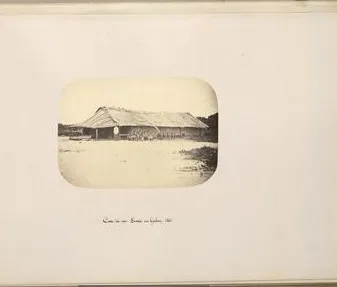
His wealth was on display: chests, divans, mirrors, umbrellas, hats, frock coats, uniforms and jewellery, all “prestige goods” that set the “great” apart from the “small”. Yet M'Bokolo stresses the nature of his authority: the power of the oga was not that of a despot. The council of elders took the grave decisions; the chief was above all the keeper of the cult of the clan's ancestors, of the relics and of the sacred fire that burned day and night in his house. Wilson, who met him in 1842, described him thus:
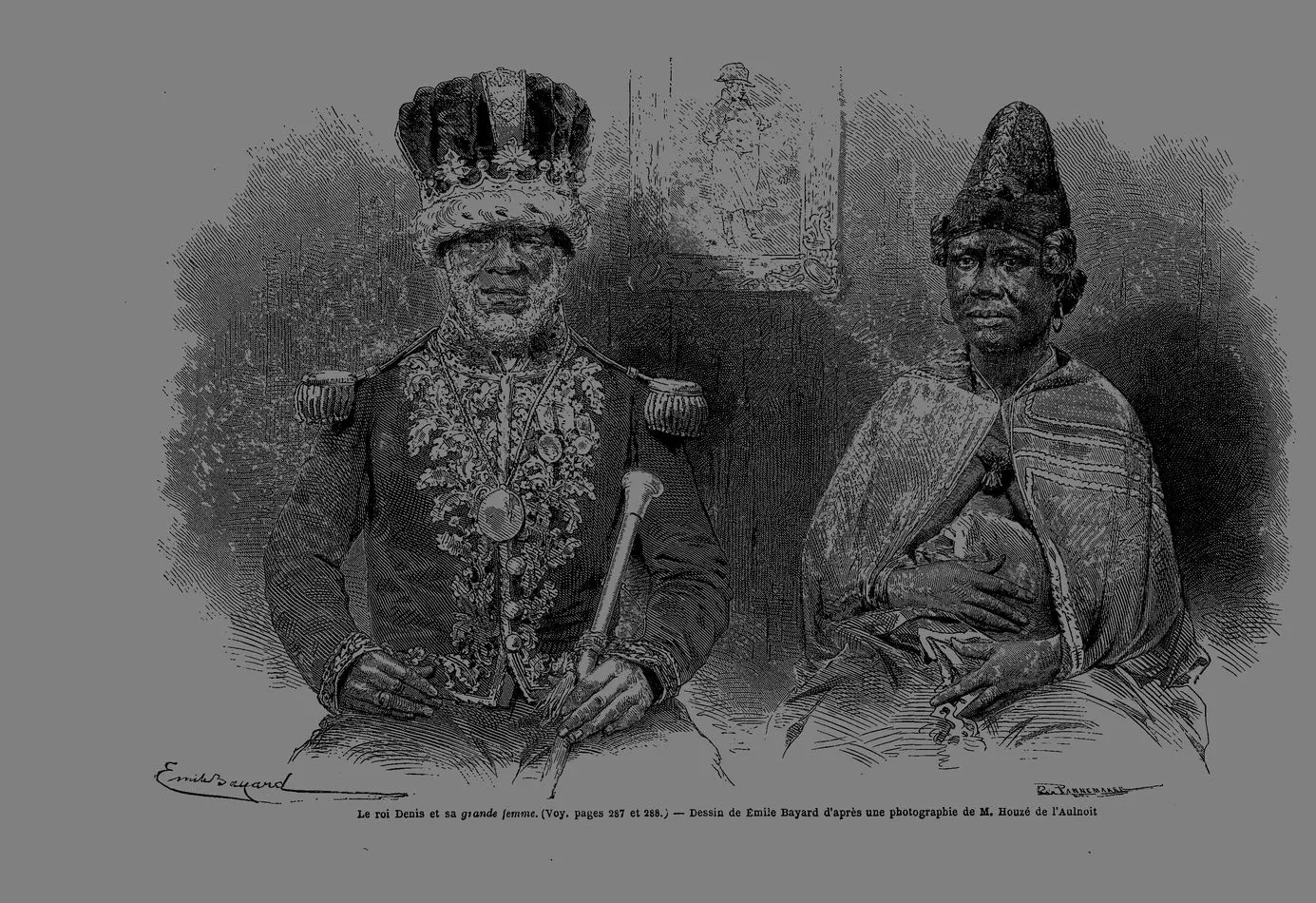
“He is a man of middle height, stocky, of fine build and great muscular strength… He has a gentle and expressive look, a pleasant and persuasive voice, at once amiable and dignified. Taken all in all, he is one of the most kingly men I have ever met in Africa.”
1839: the convention concluded in the king's house
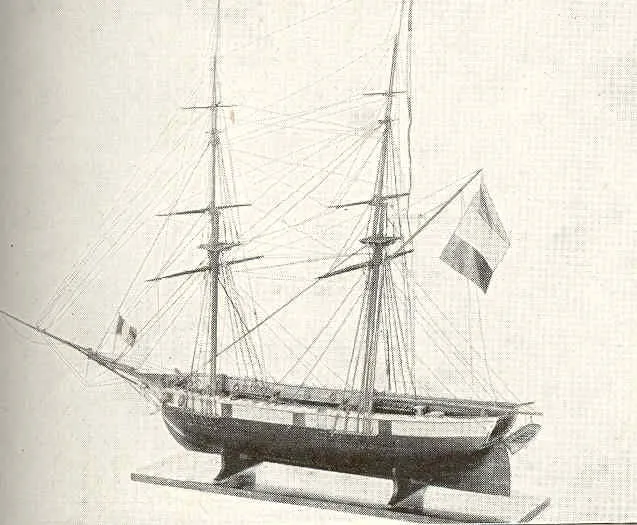
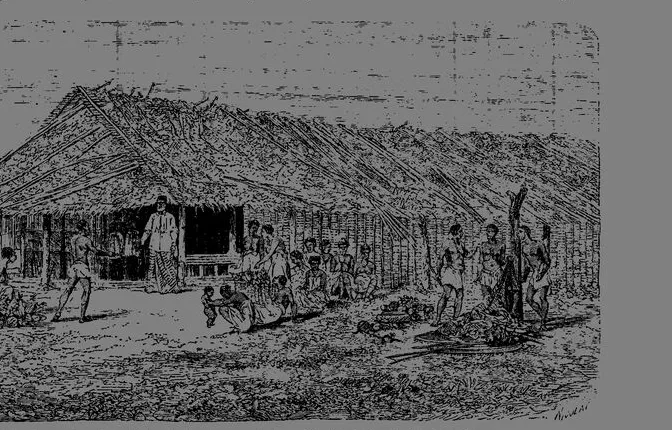
In February 1839 two French ships, the Nisus and the Malouine, reached Gabon under Édouard Bouët and Broquant. On 9 February a convention was concluded, in Denis's own house, between the two officers on one side and, on the other, the chief, “his son Petit-Denis and Prince Dolinga”. On paper, an “offensive and defensive alliance” between equals; in reality, the chief placed himself under France's protection and ceded a small territory where it could build fortifications. In exchange: twenty pieces of cloth, ten barrels of powder, twenty muskets, two sacks of tobacco, a barrel of brandy and ten white hats. Later, in 1845, Denis would say he had thought he was writing a mere letter of friendship to the King of the French; M'Bokolo doubts it.
- 20pieces of cloth
- 10barrels of powder
- 20muskets
- 2sacks of tobacco
- 1barrel of brandy
- 10white hats
What France gave the king in exchange for his protection and a plot for its fortifications, after M'Bokolo, p. 81.
The family specifies: the convention was drafted by King Denis II, Louis Denis Marie Félix Adandé Rapontchombo, the king's son and the “Petit-Denis” of the text; three people signed it, King Denis I, King Denis II and Prince Dolinga.
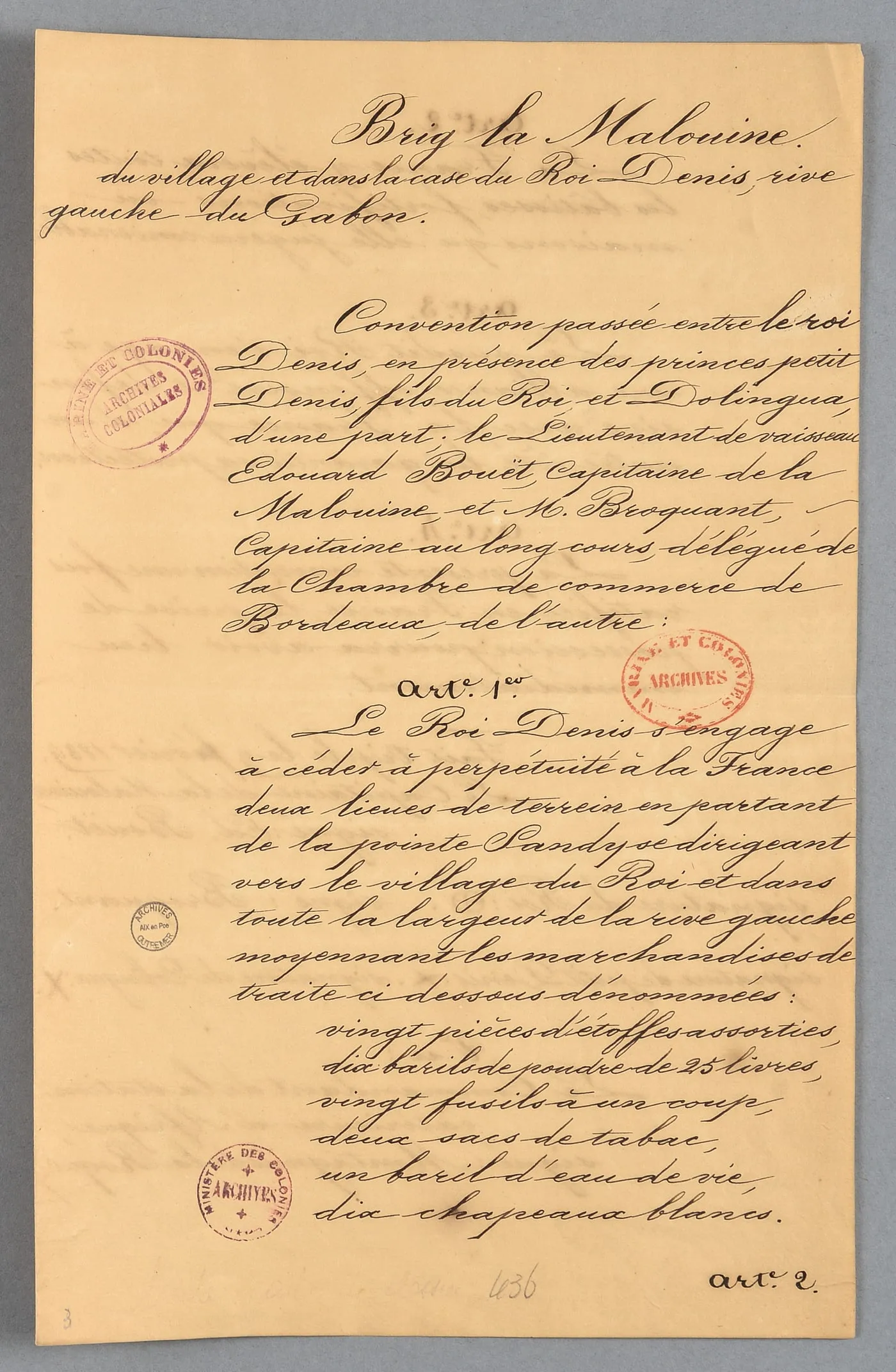
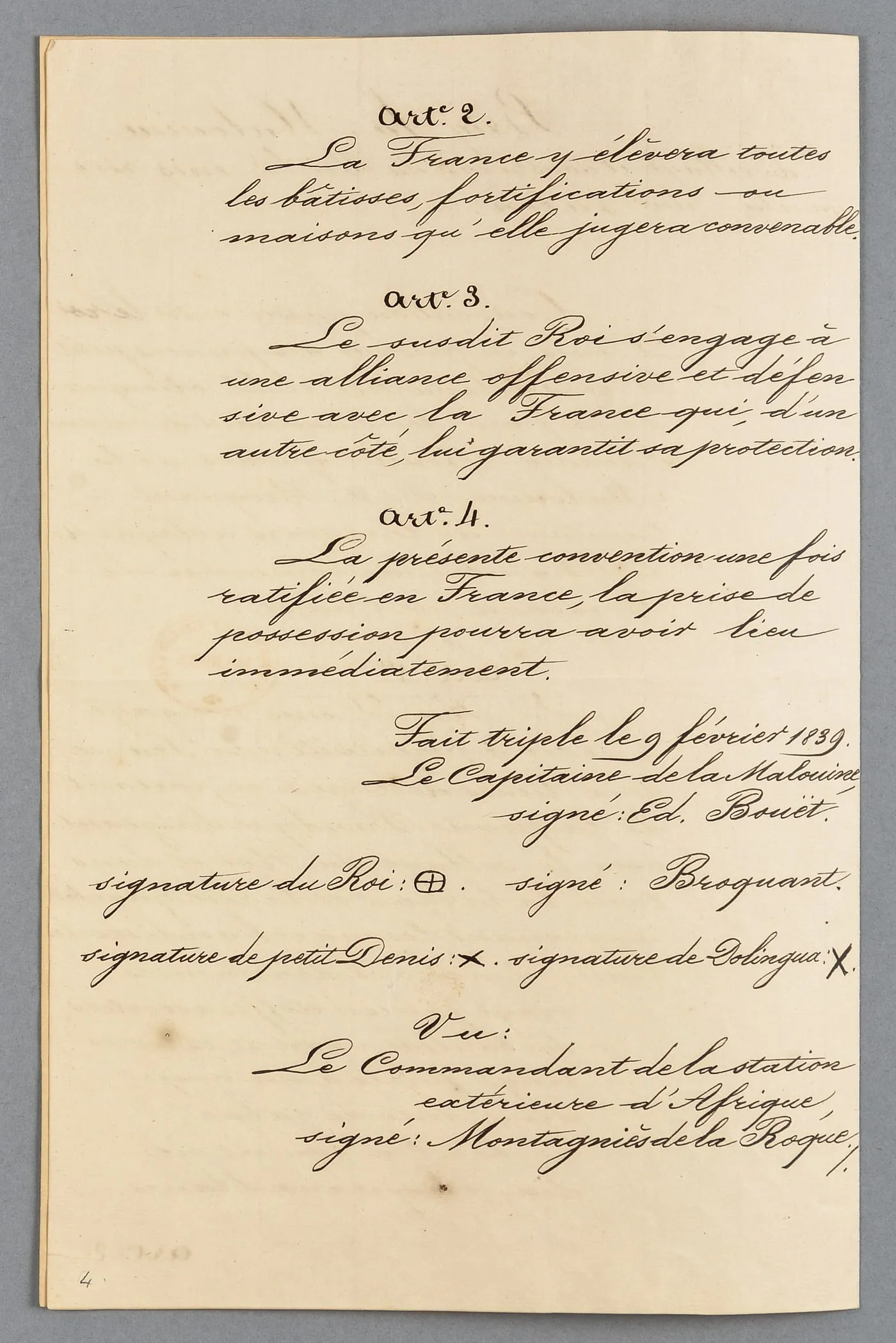
Click a page or use the arrows to turn it
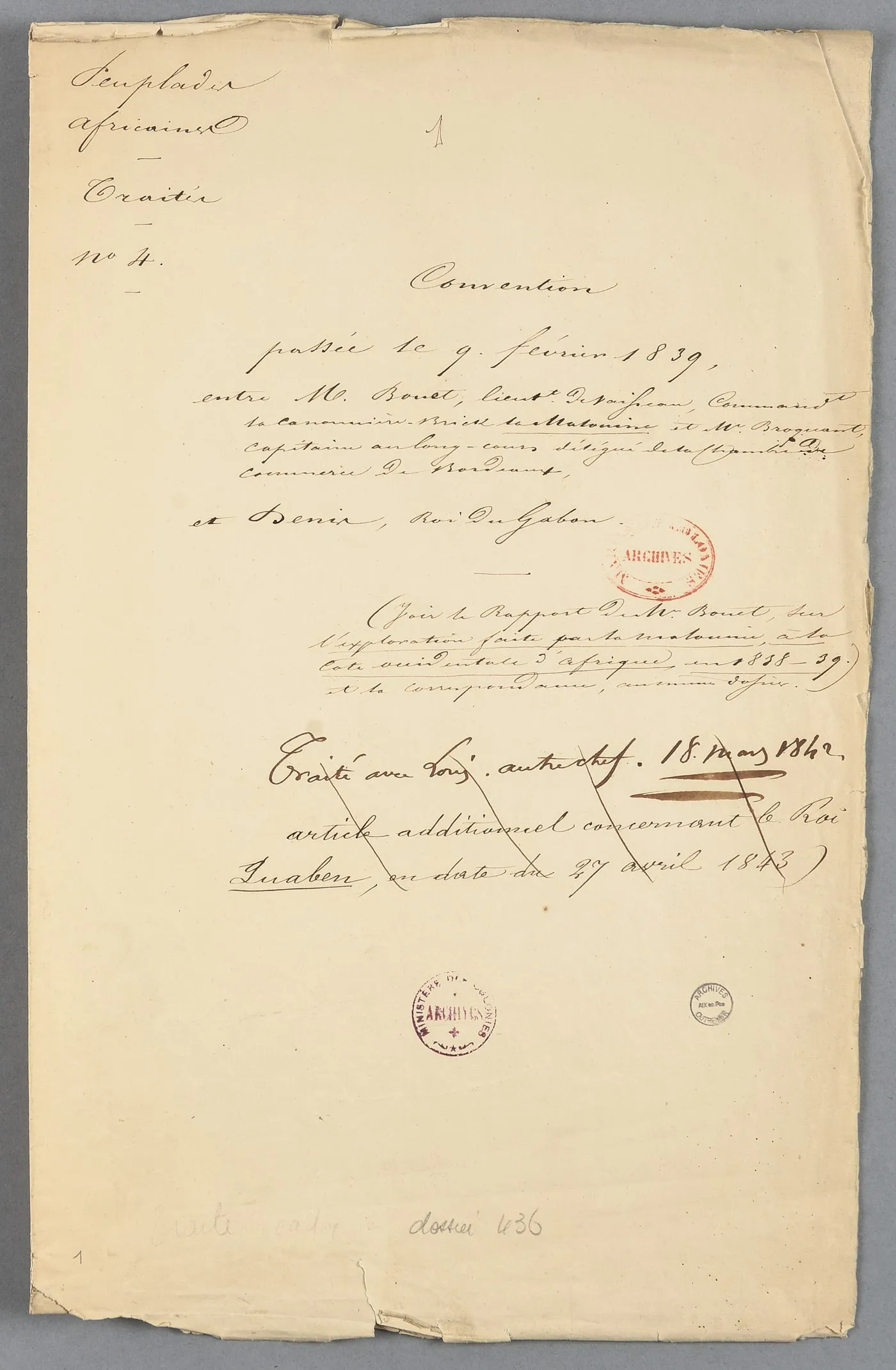
- The file cover: “Peuplades africaines · Traités · no. 4” · ANOM, 40 COL 436.
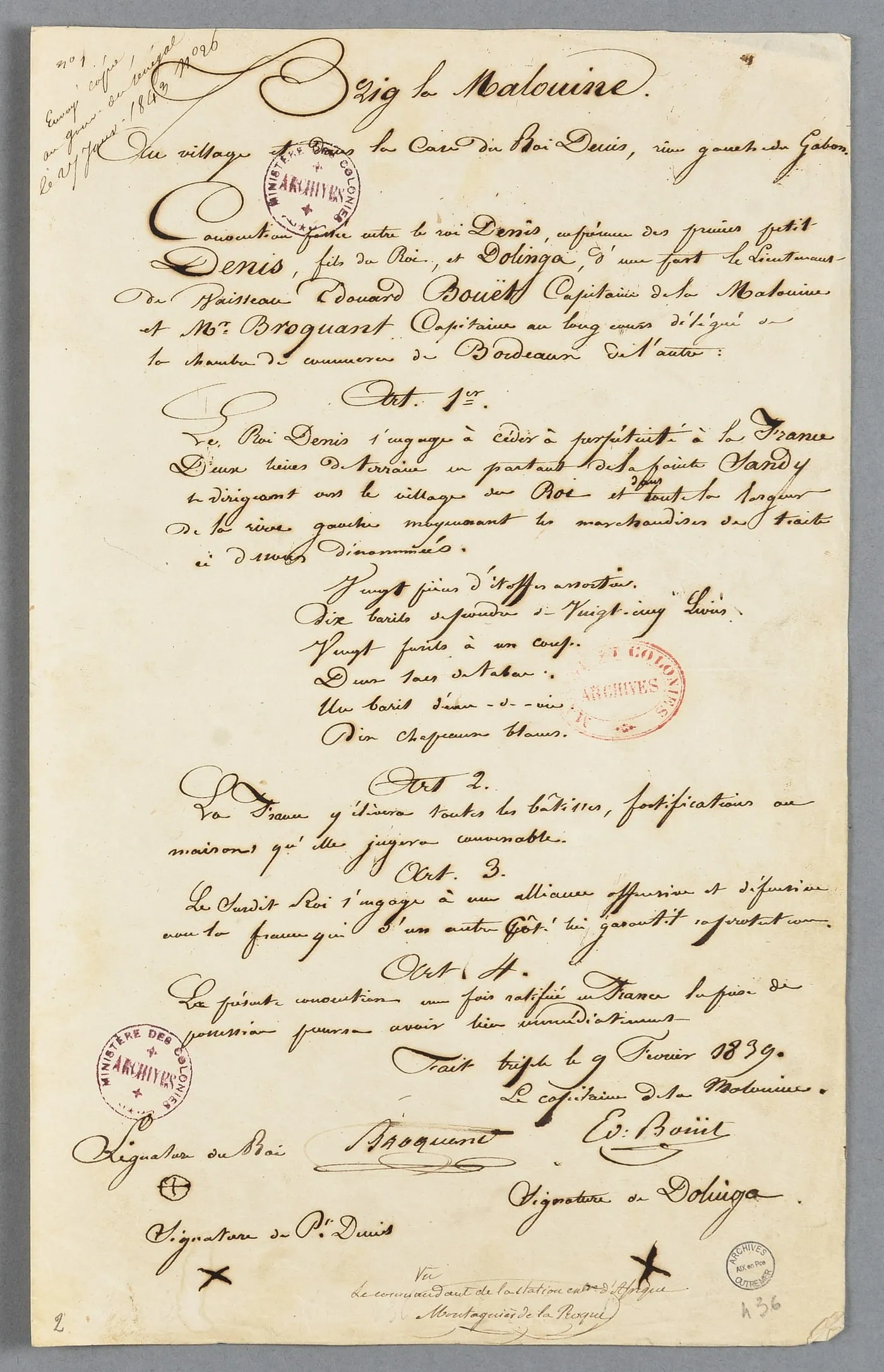
- The signed original: “Signature du Roi ⊕”, “Signature du P[eti]t Denis ×”, signatures of Broquant and Ed. Bouët · ANOM, 40 COL 436.
- The fair copy, first page: the preamble and the first article · ANOM, 40 COL 436.
- The copy, second page: “Fait triple le 9 février 1839”, signatures of the king ⊕, Petit Denis × and Dolingua × · ANOM, 40 COL 436.
See the file at the Archives nationales d'outre-mer, FR ANOM 40 COL 436 ↗
Page|ofFriend of the British and the French
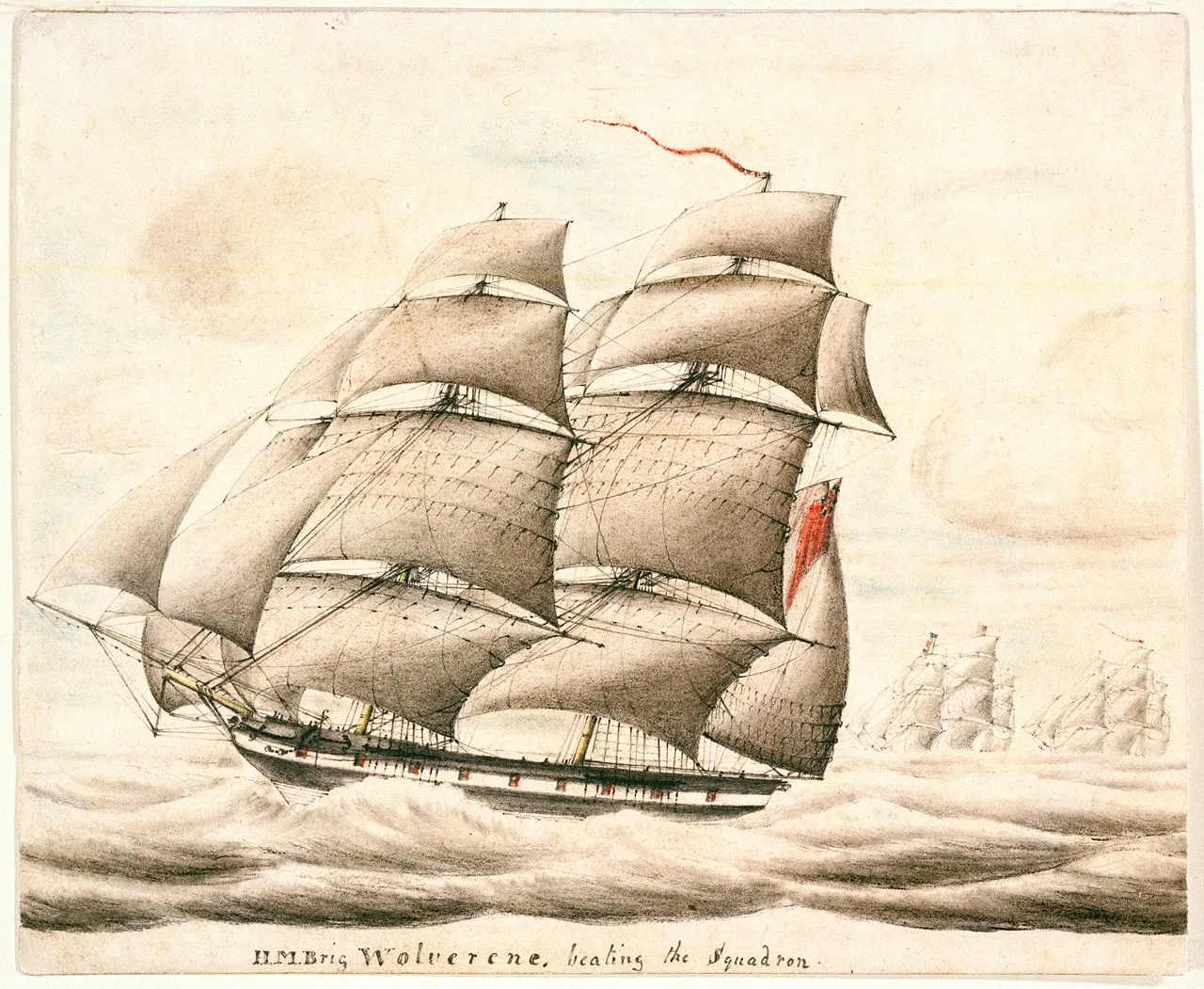
That same year Denis settled the affair of the plundered ships: between 1837 and 1838 three French trading vessels had been stripped on the right bank, and it was he who obtained reparations, even agreeing to pay the rest of the fine himself in place of the culprits. In May 1839 he came to the aid of the British in the affair of the Lynx, and refused any reward. Commander Broadhead wrote:
“I cannot sufficiently describe the help and assistance I received from King Denis… In truth he resembles a civilised European more than the chief of an African tribe.”
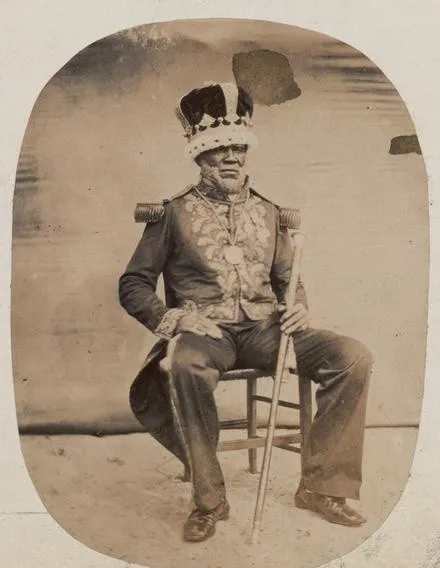
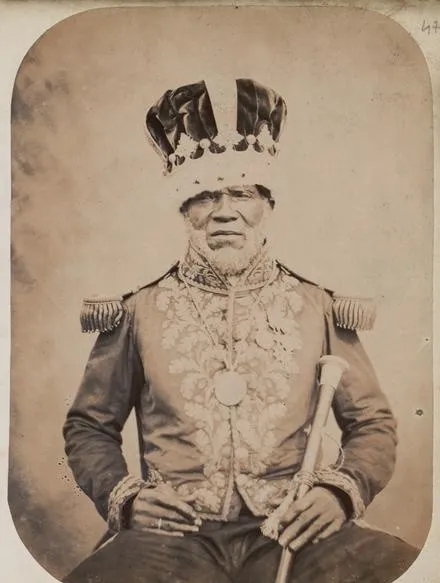
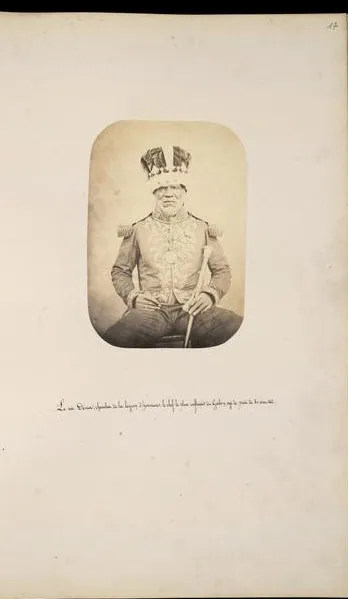
Honours followed. Queen Victoria sent a British general's uniform, a gold chain and a medal with her effigy; the Société des Naufragés awarded him a medal; King Louis-Philippe granted the cross of Knight of the Legion of Honour (16 September 1839) and a drum major's cane. “By the end of 1839,” writes M'Bokolo, “Denis Rapontshombo was at the height of his glory”, at once ally and protégé of Britain and France.
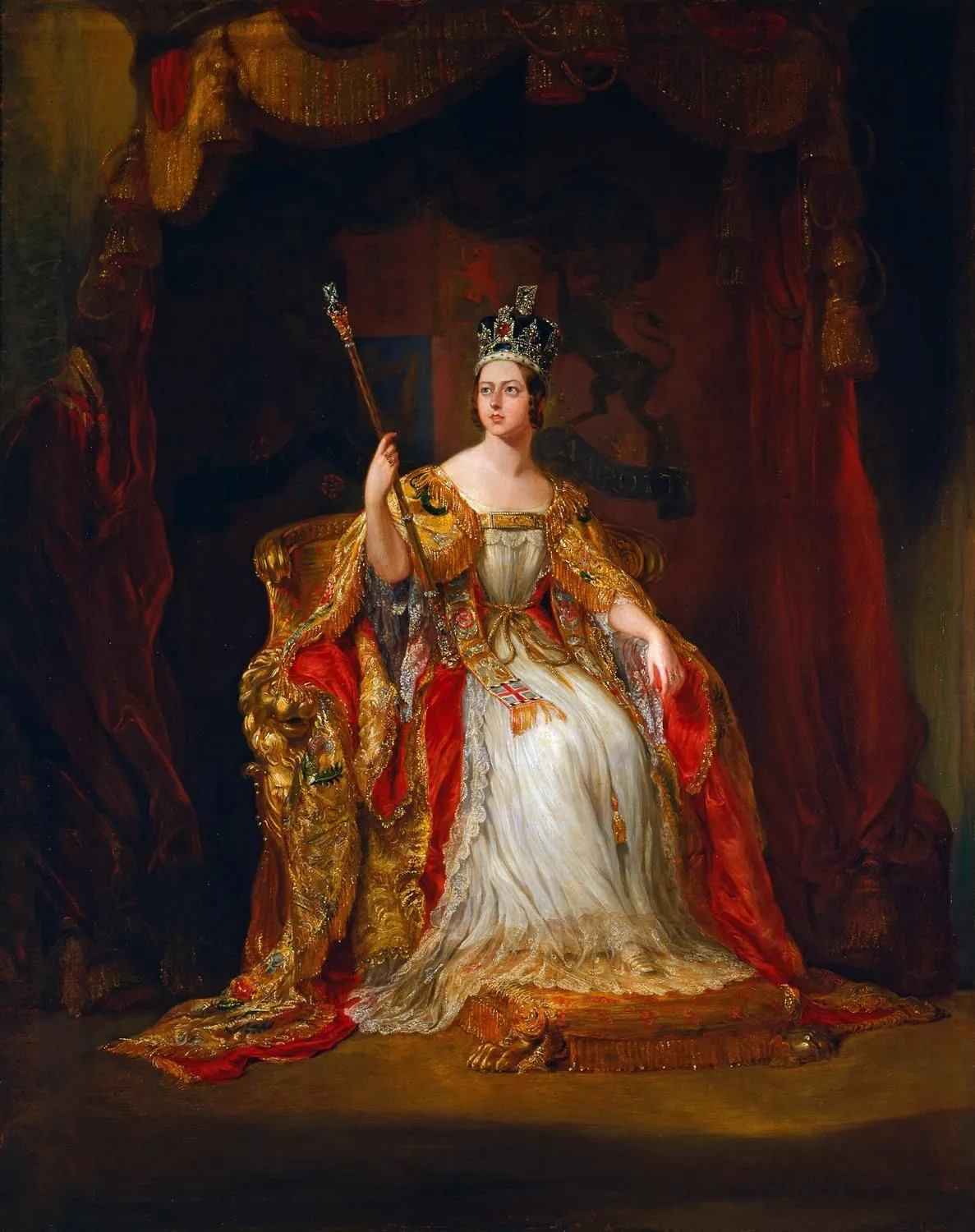
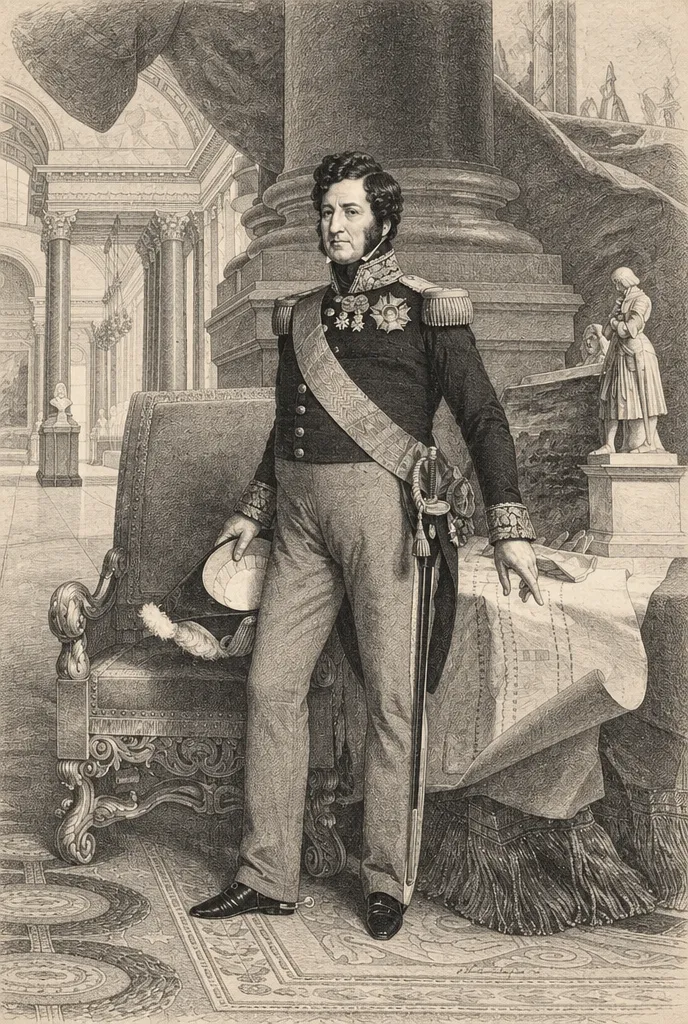
The family corrects this: the Legion of Honour belongs to King Denis II, the king's son; Queen Victoria's gifts are indeed those of King Denis I. See the Legion of Honour of King Denis II and the gifts of Queen Victoria.
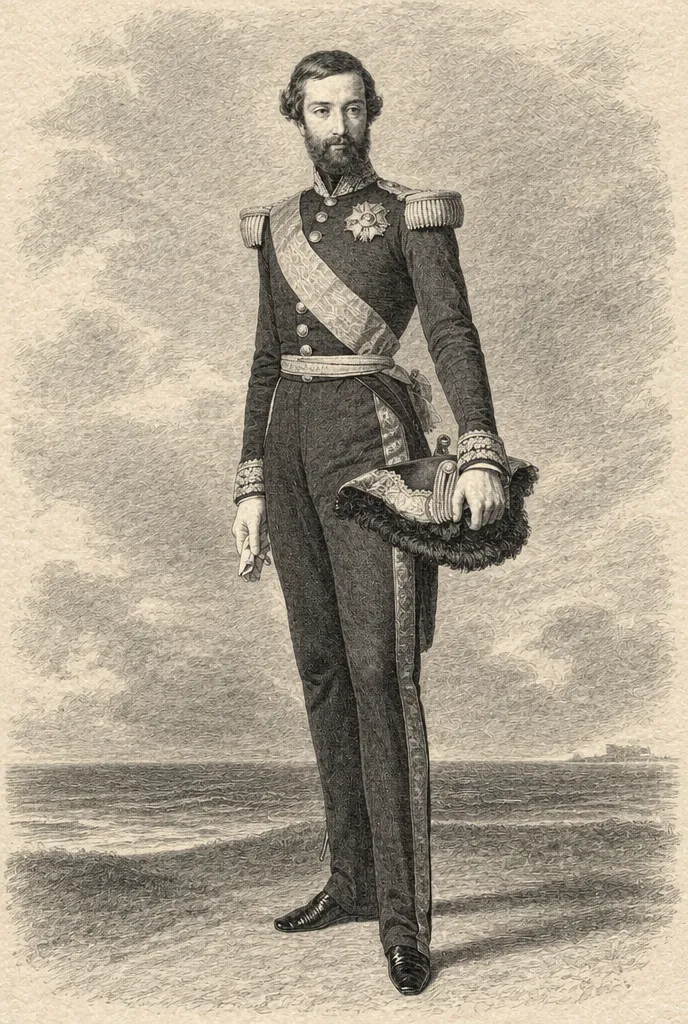
In February 1840 the Prince de Joinville, son of the King of the French, on his way to Saint Helena to bring back Napoleon's ashes, called at Gabon from 18 to 22 February. He received Denis on board, fired a twenty-seven-gun salute in his honour and showed him round the frigate. “Denys all covered in gold”, noted one of the prince's companions, was delighted; he was promised a new house, furnished like the prince's own cabin.
Setbacks: France chooses the right bank
France soon wanted a permanent foothold. Denis, who had no wish to see the trading post set up on his land, recommended the right bank, healthier in his view. On 22 June 1842 American Protestant missionaries settled at Baraka, on the lands of Chief Glass; a year later, in June and then September 1843, French officers took possession of the site of the fort, at Chief Louis's, and Father Bessieux came to found the Catholic mission. The life of the estuary shifted to the right bank.
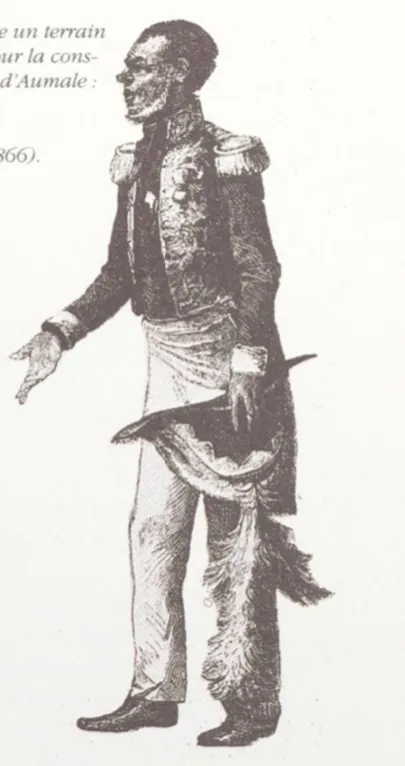
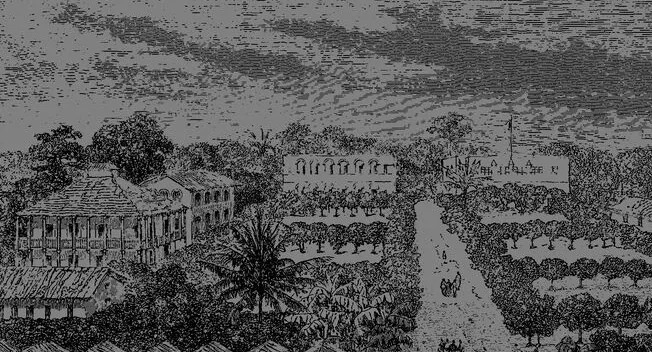
M'Bokolo then describes a subtle game. Denis signed the treaties that strengthened French sovereignty, while keeping his distance from the chiefs who opposed them, Glass and his broker Toko. The historian speaks of a “double image”: towards his peers, many of them hostile to France, and towards the French, for whom he wished to remain the favoured partner.
Economic difficulties
From October 1845 the officers of the French post took radical measures against the slave trade; by about 1855 that trade was ruined. Something else had to be found. In 1844 the Nantes merchant Lecour signed an agreement with Denis to grow sugar cane and cotton; the venture failed after two years for lack of capital. The king then turned to his own plantations. The explorer Paul Du Chaillu, who visited them in 1856 around the creek of Mbata, wrote that “the subjects of King Rapontshombo are the most prosperous on the coast”: bananas, groundnuts, sugar cane, cassava, yams, citrus, pineapples and a great many domestic animals. Then came ivory, ebony, dye woods, rubber and, from 1851, wax.
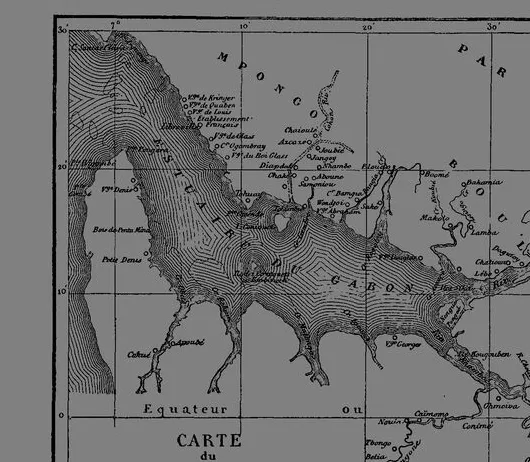
Political disappointments
The French system long remained “proto-colonial”: the Mpongwe chiefs had ceded their external sovereignty but kept their internal sovereignty. Denis thus kept a rank apart, and his mediation remained valuable: it was thanks to him, M'Bokolo recalls, that the chief of Cape Lopez, Ndébulia, finally signed a treaty with France, after the long refusal of his predecessor, who died in 1862. But his political hopes were dashed. In 1845 he asked the Ministry of the Navy to recognise him as “sole sovereign of Gabon”; the plan was set aside. The promised pension of 3,000 francs a year was soon cut to 1,000.
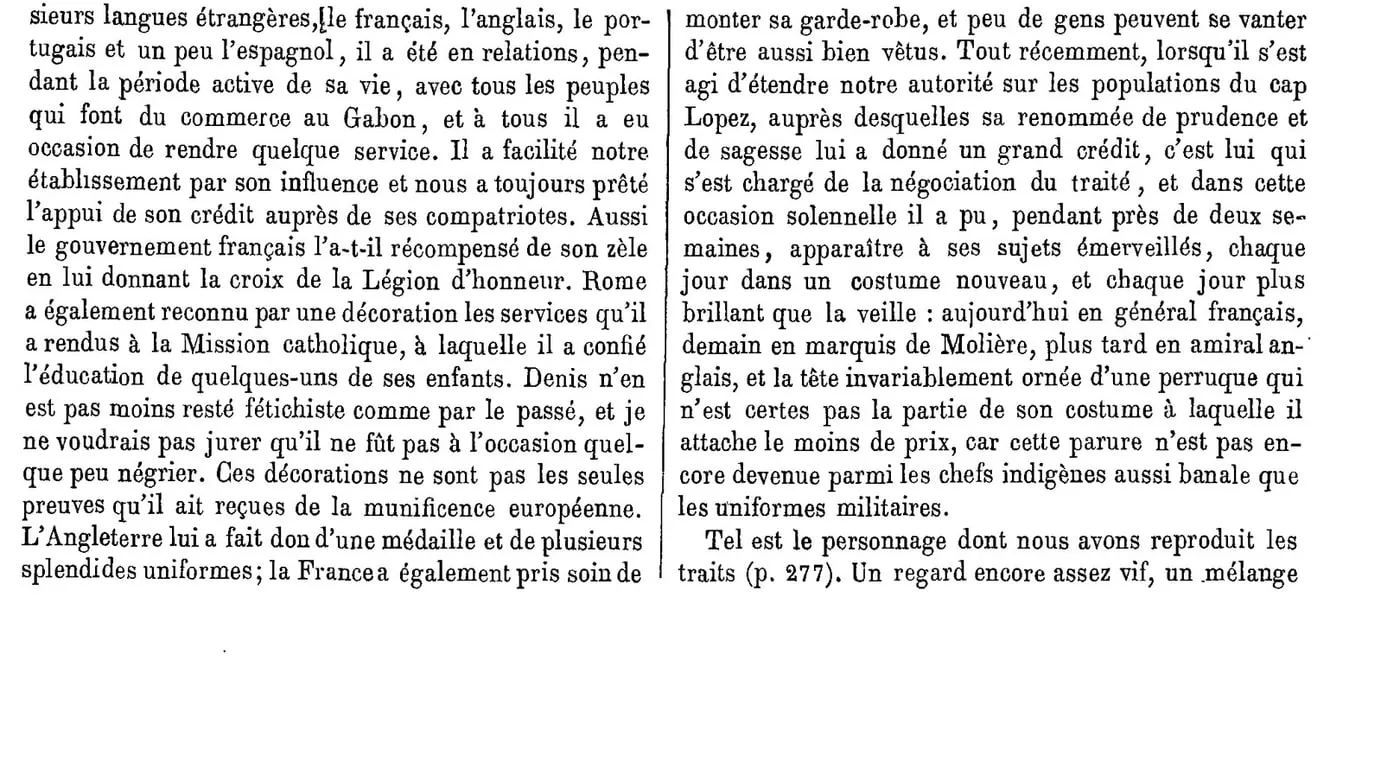
The last years
His last years were marked by solitude. As the Fang arrived in the estuary region, many Mpongwe moved to the right bank; Denis chose to stay and die on the land of his ancestors. Among his many children M'Bokolo singles out two: Bounda, who prospered in trade, and Félix-Adandé, his younger son, “who was to succeed him”. In 1873 the Marquis de Compiègne found the old king weakened but faithful to the old traditions of hospitality, his face lighting up at the mention of the gifts he had received from European sovereigns.
To the end, writes M'Bokolo, the old chief kept all his lucidity. He settled his succession “with the greatest firmness”, as his own father had done seventy-five years before: over his elder sons he preferred the younger, Félix-Adandé, and imposed him. He laid down his own funeral and, unlike the custom of the great chiefs of his time, forbade that slaves be sacrificed at his death.
The funeral at Iwounwé
His funeral was the last moment of glory of the chief of the Assiga. Mpongwe chiefs came, the Fang of the left bank, Orungu notables from Cape Lopez and the Nkomi of the Fernan-Vaz; the French authorities of Libreville lowered their flags to half-mast and fired the cannon. M'Bokolo quotes Abbé Raponda-Walker:
“Dressed in his full uniform of a British general, King Denis Rapontshombo was buried in the old cemetery of Iwounwé, between Pongara Point and Nghomboué Point, facing the ocean that had brought him the Europeans, his friends.”
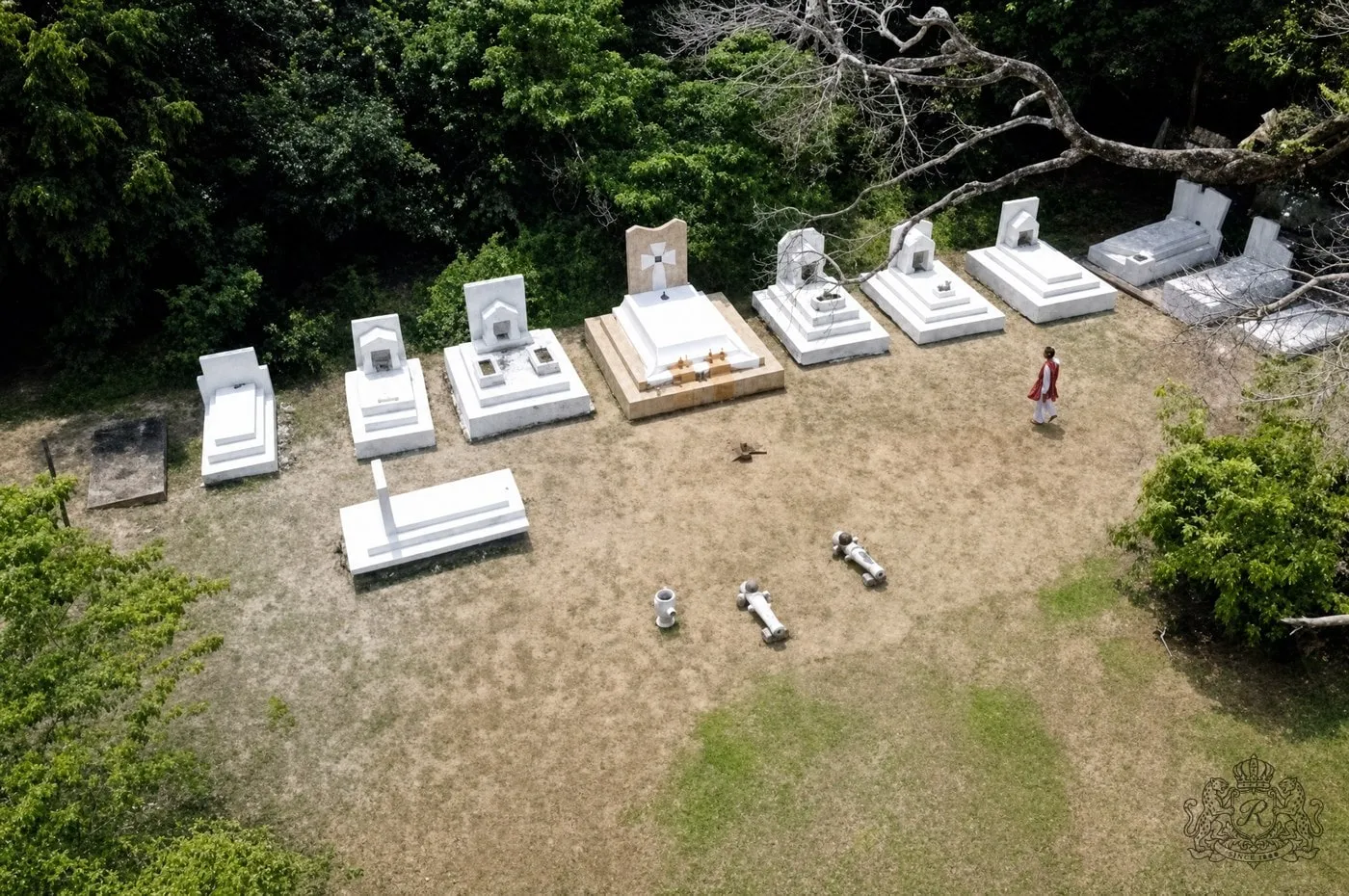
The historian ends on the ambiguity of the claim to fame attached to his name: that of having “opened” Gabon to France. The burial ground of Iwounwé is still kept by the family; it appears on the Domain page, and the rest of the line in the family tree.

Source
- Elikia M'Bokolo, « Le roi Denis, grandeur et déclin d'un souverain gabonais », in Les Africains, Paris, Éditions Jeune Afrique, 1977, pp. 73-95 · the family's copy.
- By the same author: Elikia M'Bokolo, Le Roi Denis : la première tentative de modernisation du Gabon, series “Grandes figures africaines”, 1977, 94 pp., illustrated by Bernard Rouzet (ISBN 2-85809-044-0).
- Sources cited by the author: A. Raponda-Walker, Notes d'histoire du Gabon, 1960; J. L. Wilson, Western Africa, 1856, and « Traite des Noirs au Gabon », Revue coloniale, 1844; P. B. Du Chaillu, Voyages et aventures dans l'Afrique équatoriale, 1863; Griffon du Bellay, « Le Gabon », Le Tour du Monde, 1865; Marquis de Compiègne, L'Afrique équatoriale, 1885; H. Deschamps, Quinze ans de Gabon, 1965; K. D. Patterson, The Northern Gabon Coast to 1875, 1975.
Summary and short quotations, translated from the pages of the book photographed by the family; the family's clarifications are marked as such.